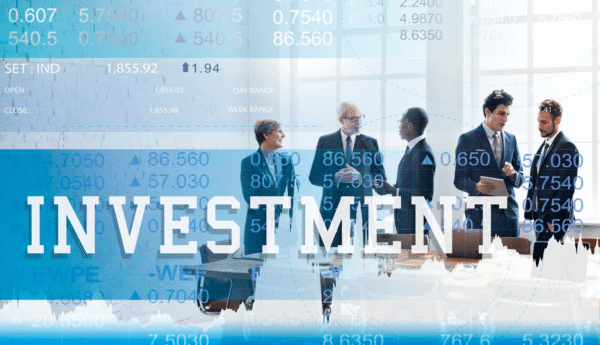
Economic Investment in Saudi ArabiaThrough the rapid economic transformations taking place in the Kingdom of Saudi Arabia, economic investment has become one of the main pillars supporting the achievement of Vision 2030. This vision aims to build a diverse and sustainable economy, moving away from reliance on oil as the primary source of revenue. Launched by Crown Prince Mohammed bin Salman, Vision 2030 seeks to enhance the Kingdom’s investment attractiveness as a global destination, especially with the advent of 2026.
The Saudi economy is witnessing remarkable growth, supported by structural reforms and expansion across various sectors. This transformation has created massive investment opportunities, positioning the Kingdom as one of the most prominent investment destinations in the Middle East and worldwide.
This article will highlight the key aspects of economic investment, with a focus on new reforms, promising sectors, and available opportunities for both local and foreign investors.
The Investment Environment in Saudi Arabia
In recent years, the Kingdom has worked on improving the investment climate through a set of measures and reforms, most notably:
1- Regulatory Reforms
Enacting new foreign investment laws that allow investors to fully own projects (100%) in various sectors.
2- Infrastructure Development
Through the establishment of special economic zones such as King Abdullah Economic City and the NEOM region.
3- Tax and Financial Incentives
By reducing customs duties on raw materials and providing financing through investment funds such as the Public Investment Fund and the Industrial Development Fund.
4- Digital Transformation
Facilitating procedures through electronic platforms such as “Invest in Saudi Arabia.”
Promising Investment Sectors in 2025
Saudi Arabia is working to provide diverse investment opportunities across vital sectors supported by mega-projects, including:
1. Real Estate
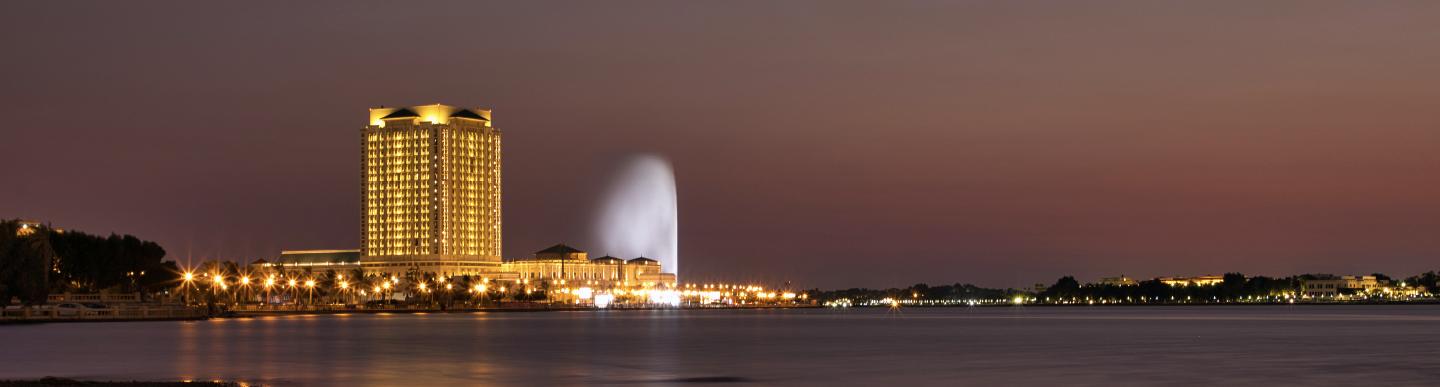
Developing residential and commercial buildings in Riyadh and Jeddah, in addition to major urban development projects across the Kingdom.
Expected returns: 5–7% annual growth, supported by strong tourism demand.
2. Tourism Sector
The tourism sector has encouraged investments in hotels and entertainment, with a target of welcoming 100 million tourists by 2030.
Expected returns: The tourism sector is projected to contribute up to 10% of the GDP.
3. Technology and Artificial Intelligence
Efforts include building data centers and forming partnerships with global companies, with a focus on localization.
Expected returns: Attracting USD 20 billion in digital investments.
4. Investment Funds
These rely on diversified investments in stocks, bonds, and real estate to reduce potential risks.
Expected returns: 8–12% annually.
5. Manufacturing Industries
This includes the production of vehicles and building materials, supported by the Public Investment Fund (PIF).
The sector achieved its highest investment record in 2024, with a 15% growth rate, marking the highest level reached so far.
The future of investors within the Saudi Arabia
With Saudi Arabia’s economy growing by 3.9% in the second quarter of 2025, the Kingdom continues to support Vision 2030 and its goals for sustainable investment, making it an ideal destination for economic growth and business opportunities.
Whether you are a local or international investor, sectors such as tourism, technology, and real estate offer high returns with relatively low risks. To maximize financial gains, investors can benefit from the financial advisory services provided by Alawwal Capital.
In conclusion, it can be said that investment in Saudi Arabia is undergoing a transformative phase, making the Kingdom a promising and attractive environment for both local and global investors. With ongoing regulatory reforms, diversified investment opportunities, strong government support, and economic stability, Saudi Arabia is steadily progressing toward its ambition of becoming one of the world’s leading economic hubs by 2030.
.